Depression is a mental health disorder characterized by feelings of sadness, unhappiness, hopelessness, and even guilt. Though any teen can develop depression, those with a family history of mood disorders, and those who have experienced a stressful life event are at the highest risk. Teen depression is also more common in girls and those with learning disabilities, chronic illness, or unstable home life.
Some teenagers may hide or refuse to talk about their feelings. However, teen depression is often evident through other symptoms, which look different than the symptoms of adult depression. Examples include:
- Unusual sleeping patterns
- Weight and appetite changes
- Low energy and increased fatigue
- Poor academic performance
- Lack of interest in hobbies, activities, or relationships
- Irritability
Not every teen who abuses drugs is depressed, and not every teen who is depressed abuses drugs, so it is important to pay attention to the signs. Many teens are unable to express exactly how they feel, so it is up to you to help your teen address any underlying issues that may have lead to their substance abuse. If depression is the root cause, it is imperative that you help your teen receive dual diagnosis treatment for both disorders.
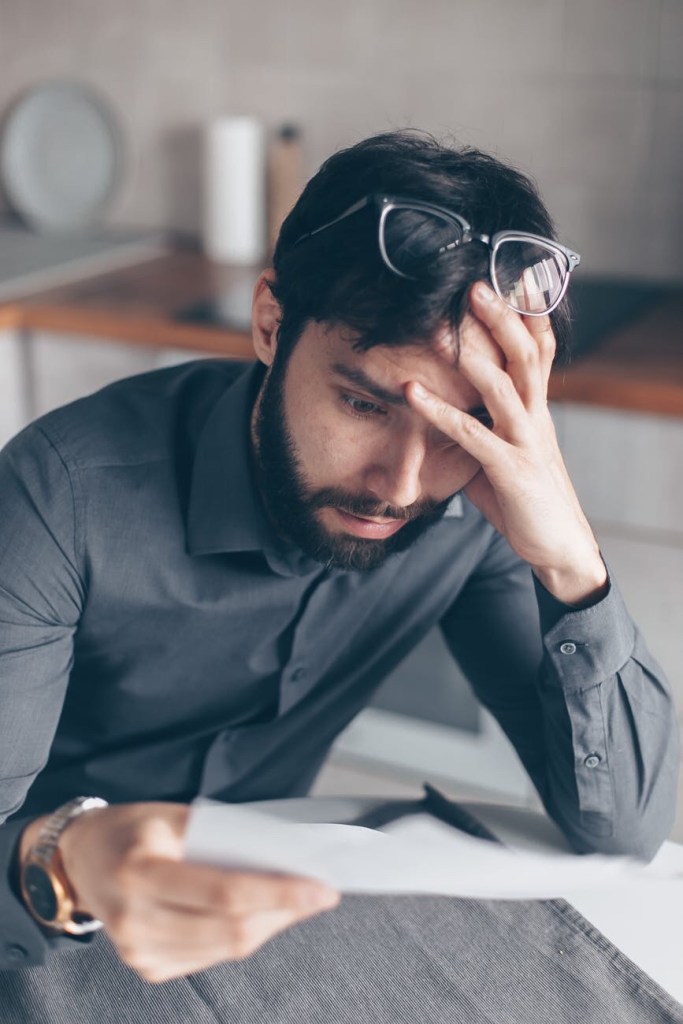
How to Help a Depressed Teen Who Abuses Drugs
Individuals with co-occurring depression and substance abuse rarely get better without treatment. Often the substance abuse develops as a way to self-medicate depression symptoms, but depression can also develop as a result of excessive drug abuse. Regardless of which comes first the depression or the substance abuse problem both illnesses will continue to make the other worse. Depression and drug abuse are a vicious cycle that will never end unless both are treated simultaneously.
 Drugs abuse and depression in teenagers